
Making your home more eco-friendly does not have to mean replacing everything you own, spending thousands of dollars, or turning your space into a science project. For most households, the biggest wins come from a collection of small habits and smart upgrades that make everyday living a little lighter on the planet—and often easier on your budget, too.
Whether you rent a city apartment, share a first home with roommates, or are settling into a house of your own, these practical ideas can help you create a more sustainable home without giving up comfort or style. Start with the changes that fit your life now, then build from there.
25 Eco-Friendly Home Ideas: Simple Ways to Make Your Home More Sustainable
If you want an eco-friendly home without a major renovation, start with these quick wins:
- Save electricity with LEDs, daylight, efficient appliances, and smarter thermostat settings.
- Save water by fixing leaks and choosing efficient fixtures.
- Reduce waste by reusing, repairing, recycling correctly, composting, and planning meals.
- Shop more intentionally by choosing durable, secondhand, and genuinely useful items.
1. Switch to LED light bulbs

LED bulbs use far less electricity than traditional incandescent bulbs and last much longer. Replace the bulbs you use most often first—kitchen, living room, bedroom, and outdoor lights are easy places to start. Choose warm-white LEDs for a softer, more inviting feel at home.
Shop This Idea
Linkind A19 Dimmable LED Light Bulbs — 24 Pack
These 9W A19 LEDs provide 800 lumens each with a warm 2700K soft-white light and a standard E26 base, making the bulk pack practical for replacing frequently used household bulbs.
View on Amazon → (paid link)
2. Make the most of natural light
Before turning on a lamp, open the blinds or curtains and let daylight do the work. Keep windows clean and avoid placing bulky furniture directly in front of them. A brighter room can feel more spacious, while using less electricity during the day. If lowering energy use is a priority, you can also explore our guide to lowering electricity bills and improving home comfort.
3. Unplug electronics you rarely use
Some electronics continue drawing small amounts of power while they are switched off or sitting in standby mode. Unplug rarely used chargers, gaming accessories, small appliances, and entertainment equipment when practical. A smart power strip can make this easier around a desk or TV.
Shop This Idea
Tapo P110M Smart Plug — 4 Pack with Energy Monitoring
Monitor connected-device energy use and create schedules or automatic shutoff routines to help manage standby power. This Matter-compatible 4-pack works with Alexa, Google Home and Samsung SmartThings.
View on Amazon → (paid link)
4. Wash clothes in cold water
Most of the energy used by a washing machine goes into heating water. For everyday loads, cold water can clean effectively while reducing energy use. Use a warmer cycle when the care label or hygiene needs call for it, rather than making hot water the default.
5. Run full loads of laundry and dishes
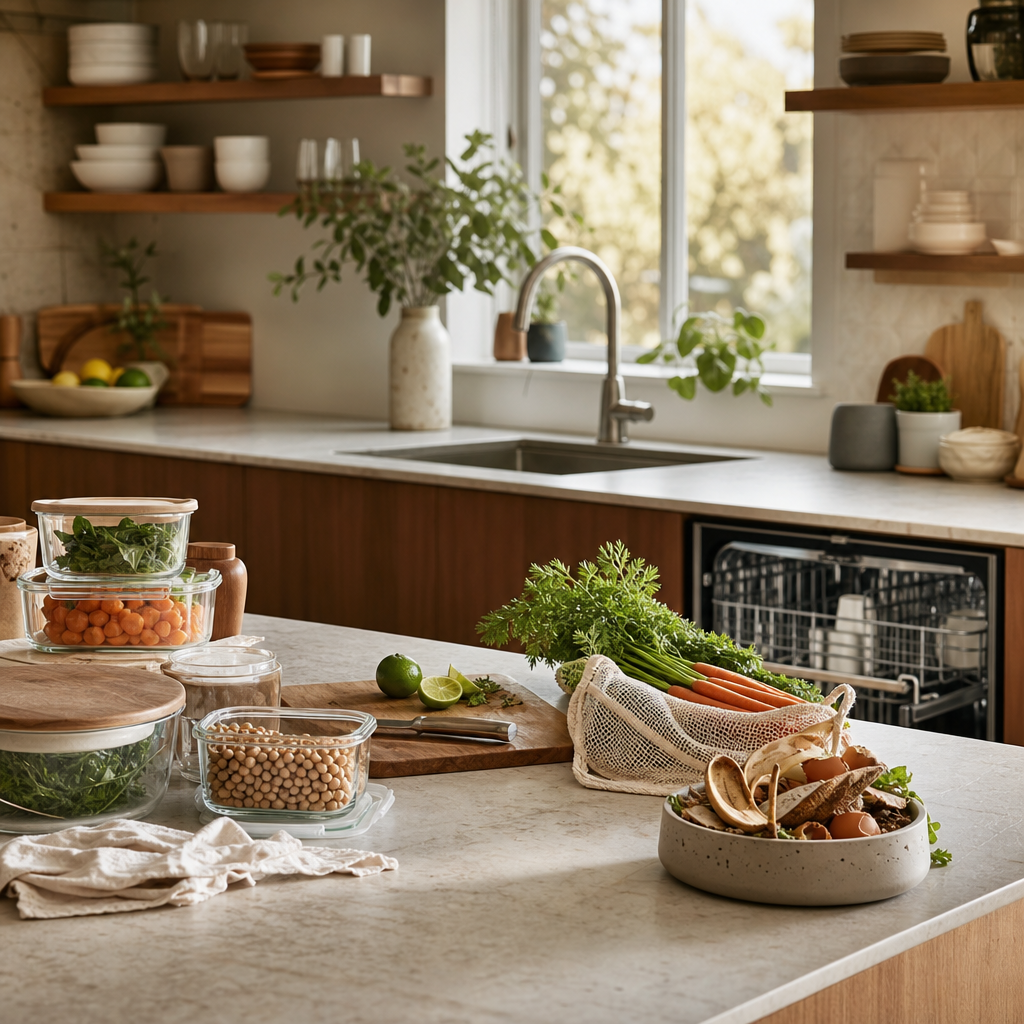
Wait until you have a reasonably full load before running the washing machine or dishwasher. You will use roughly the same cycle resources while getting more work done. Avoid cramming machines beyond their recommended capacity, because efficient cleaning still matters.
6. Air-dry when you can
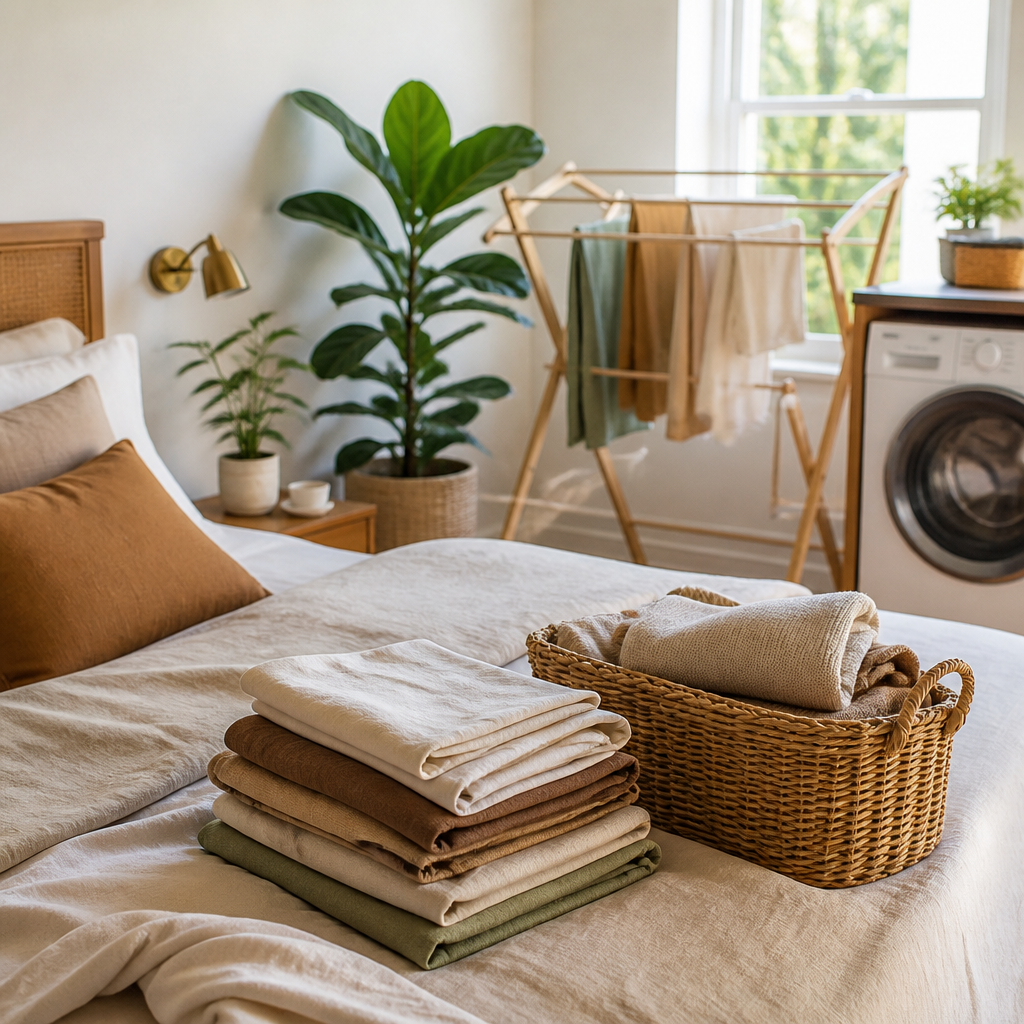
Clotheslines, drying racks, and indoor air-drying can cut dryer use and give delicate clothing a break. In sunny or dry weather, outdoor drying is especially simple. Even air-drying part of each laundry load can make a difference over time.
Shop This Idea
Sakugi Foldable Clothes Drying Rack — 55.5"
A stainless-steel, freestanding drying rack with adjustable wings for air-drying everyday laundry indoors or outdoors. It folds down for compact storage, making it especially practical for apartments, renters, and smaller laundry spaces.
View on Amazon → (paid link)
7. Improve your home’s insulation and weather sealing
Small drafts around doors and windows can make heating and cooling systems work harder. Check for obvious gaps and use appropriate weatherstripping or caulk where needed. If you own your home, look into insulation improvements that make sense for your climate and budget.
8. Adjust your thermostat thoughtfully
Heating and cooling are major household energy users. A programmable or smart thermostat can help avoid heating or cooling an empty home. Small temperature adjustments, combined with seasonal clothing and blankets, can reduce energy demand without making your space uncomfortable.
Shop This Idea
SITERWELL Smart WiFi Thermostat
Use app-based schedules and remote temperature control to reduce unnecessary heating and cooling when your HVAC system is compatible. Check your system and wiring requirements before purchasing.
View on Amazon → (paid link)
9. Use ceiling fans strategically
Fans use much less energy than air conditioning. In warm weather, use them to help you feel cooler and reduce how hard your AC needs to work. Remember that fans cool people, not empty rooms, so turn them off when you leave.
10. Choose efficient appliances when it is time to replace one
You do not need to replace a perfectly good appliance just to be greener. When a refrigerator, washer, dishwasher, or other major appliance reaches the end of its useful life, compare energy-efficient models and look for the ENERGY STAR label.
11. Fix dripping faucets and running toilets

A small leak can waste water continuously. Repair dripping faucets, worn toilet flappers, and other leaks as soon as you notice them. These fixes are often inexpensive, and they can prevent water waste while helping you avoid a surprisingly high utility bill.
12. Install low-flow fixtures
Low-flow showerheads and faucet aerators can reduce water use without making your daily routine feel dramatically different. They are especially useful in bathrooms and kitchens where water flows frequently. Choose quality fixtures that maintain comfortable pressure.
Shop This Idea
Heatsistence High-Pressure Shower Head — 1.8 GPM
A 1.8 GPM fixed showerhead designed to provide a strong spray while using less water than higher-flow models. Its universal fit and anti-clog silicone nozzles make it a practical bathroom efficiency upgrade.
View on Amazon → (paid link)
13. Keep a reusable water bottle and coffee cup handy
The easiest reusable item is the one you actually remember to carry. Keep a bottle near your desk or bag and a reusable cup where you are likely to see it before leaving home. You do not need a matching collection—one dependable option is enough.
14. Create a simple recycling station
Make recycling easy by giving paper, containers, and other accepted materials a clearly labeled place. Check your local municipality’s rules because recycling programs vary across the United States. When in doubt, verify the item rather than putting questionable materials in the bin.
15. Compost food scraps if it fits your lifestyle
Food scraps do not always need to go straight to the trash. If your city offers compost collection, use it. If you have outdoor space, a suitable home composting setup can turn certain kitchen scraps into a useful soil amendment. Start small with the system you can realistically maintain.
16. Buy less, but choose better
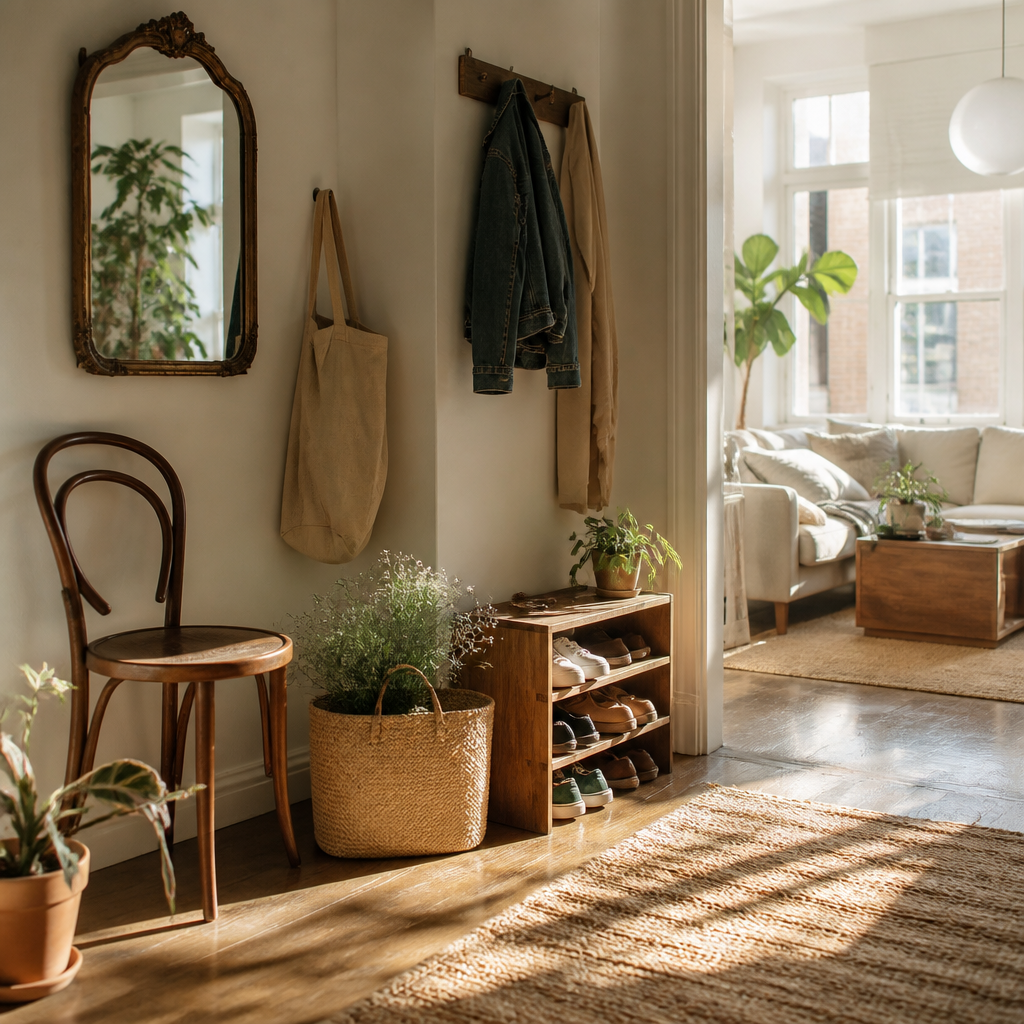
One of the most eco-friendly purchases is the one you do not make. Before buying decor, storage, kitchen gadgets, or furniture, ask whether you genuinely need it and whether you already own something that can do the job. When you do buy, look for durable pieces you will enjoy for years.
17. Give furniture and decor a second life
Try thrift stores, vintage shops, local resale groups, and neighborhood marketplaces before buying new. A solid secondhand table, mirror, lamp, or chair can add personality to a room while keeping a useful item in circulation. Small repairs and fresh hardware can make older pieces feel surprisingly current.
18. Choose natural, durable materials where practical
When shopping for rugs, baskets, bedding, furniture, or decor, consider materials that are durable and suited to long-term use. Wood, cotton, wool, bamboo, cork, and other natural materials can be good options depending on the product and how it was sourced. Focus on durability rather than simply choosing something because it is marketed as “green.”
19. Use eco-friendlier cleaning habits
Keep your cleaning routine simple. Reusable microfiber or washable cloths can reduce reliance on disposable wipes and paper towels. For cleaning products, choose formulas with transparent ingredients and packaging that can be reused or recycled where local systems accept it. Never mix household cleaners unless the label specifically says it is safe.
20. Reduce paper waste
Switch bills, receipts, statements, and manuals to digital versions when convenient. Keep a small recycling basket near your desk for unavoidable paper. For documents you genuinely need, print only the pages and copies that serve a purpose. For a broader starting point, see our guide to easy sustainable living ideas for your home.
21. Grow a few herbs at home

You do not need a large garden to grow something useful. A sunny windowsill can support herbs such as basil, mint, chives, or parsley, depending on your conditions. Growing a little of your own food can make meals feel fresher and help you use up ingredients before they go to waste.
22. Choose houseplants for enjoyment, not exaggerated claims
Houseplants can make a space feel calmer, softer, and more connected to nature. Choose plants that match your light and watering routine so they can thrive. Just keep expectations realistic: ordinary houseplants are not a substitute for ventilation or an air-cleaning system.
23. Make your kitchen more food-waste friendly
Plan meals around what you already have, store produce correctly, and freeze food you will not use in time. Keep an “eat first” area in the refrigerator for items nearing their best quality. Food waste is often reduced more effectively by better planning than by buying more specialized storage products.
24. Reuse and repair before replacing
A loose button, scratched table, worn basket, or tired lampshade may need a repair rather than a trip to the store. Learn a few simple fixes or find a local repair service. Extending the life of the things you already own is one of the most practical forms of sustainable living.
25. Make one sustainable habit automatic
The best eco-friendly routine is one you can keep doing. Pick one change—turning off lights, carrying a reusable bottle, washing clothes cold, composting, or checking for leaks—and make it automatic. Once it becomes second nature, add another.
How to Make Your Home More Sustainable Without Overspending
- Start free: use daylight, switch off unused lights, reduce food waste, and adjust your thermostat.
- Make a few low-cost upgrades: try LED bulbs, faucet aerators, weatherstripping, and a drying rack.
- Plan bigger upgrades: replace major appliances with efficient models when your current ones reach the end of their useful life.
- Keep it realistic: choose changes that fit your home, budget, climate, and routine.
Eco-friendly living works best when it fits your real budget and routine. You do not need to buy a complete set of “sustainable” products. Start with no-cost changes such as switching off unused lights, using daylight, reducing food waste, adjusting your thermostat, and running full laundry or dishwasher loads.
Next, choose low-cost upgrades that you will use for years, such as LED bulbs, faucet aerators, weatherstripping, reusable cleaning cloths, or a drying rack. Save larger investments—such as efficient appliances, insulation, or renewable-energy upgrades—for the point when they naturally make sense for your home.
Eco-Friendly Home Ideas for Renters
Renting does not mean you have to miss out on sustainable living. Focus on portable changes: LED bulbs, reusable household items, draft stoppers, smart power strips, efficient showerheads where permitted, indoor drying racks, secondhand furniture, and low-waste kitchen habits. Always check your lease before making permanent changes to fixtures or the property.
Quick FAQ About an Eco-Friendly Home
What is the easiest way to make a home more eco-friendly?
Start with habits that cost little or nothing: use less energy and water, reduce food waste, reuse what you already own, and make your most-used lighting and appliances more efficient over time.
Can renters make their homes more sustainable?
Yes. Renters can use portable changes such as LED bulbs, reusable household items, smart power strips, drying racks, secondhand furniture, and lower-waste kitchen habits. Check the lease before making permanent changes.
Does an eco-friendly home have to look rustic?
Not at all. Sustainable living can fit modern, minimalist, colorful, traditional, or eclectic interiors. The goal is to use resources thoughtfully and keep useful products in service longer.
What should I do first?
Pick one change you can repeat every week. A habit that becomes automatic is usually more valuable than a big upgrade you cannot maintain.
Small Changes Can Add Up in an Eco-Friendly Home
A more eco-friendly home is not about perfection. It is about making thoughtful choices more often. If you replace one disposable habit with a reusable one, waste less food, use energy more efficiently, or repair something instead of replacing it, you are already moving in the right direction.
For more practical ideas, see our guide to 20 Easy Sustainable Living Ideas for Your Home and our tips for lowering electricity bills while improving home comfort.
Start with one change this week. A greener home does not have to look different from a beautiful, comfortable home—it can simply work a little smarter.

