Your utility bill doesn't have to keep climbing every year. Learning how to reduce energy use at home is often less about major renovations and more about making smarter choices with heating, cooling, lighting, appliances, electronics, and everyday routines.
The good news is that many energy-saving improvements are inexpensive or completely free. A few simple changes can reduce wasted electricity, improve comfort, and make your home more energy efficient.
Whether you own a house, rent an apartment, or live in a condo, these 25 energy-saving tips for American homes can help you start cutting unnecessary energy use one habit at a time.
In This Article
- Quick Ways to Reduce Energy Use
- Save Energy From Electronics
- Kitchen Energy-Saving Tips
- Laundry Room Energy-Saving Tips
- Heating and Cooling Energy-Saving Tips
- Improve Your Home's Energy Efficiency
- How Much Can You Actually Save?
- 7-Day Home Energy-Saving Challenge
- What Is the Best Way to Reduce Energy Use?
- Frequently Asked Questions
Quick Ways to Reduce Energy Use at Home
1. Adjust Your Thermostat
Heating and cooling can be some of the biggest sources of household energy use, so your thermostat is a good place to start.
Avoid heating or cooling an empty home unnecessarily. During winter, lower the temperature when you're sleeping or away. During summer, allow the temperature to rise when nobody is home.
Even small thermostat adjustments can reduce the amount of time your HVAC system needs to operate. The goal is to maintain a comfortable home without conditioning rooms unnecessarily.
2. Install a Smart or Programmable Thermostat
A programmable or smart thermostat can make energy-saving temperature changes automatic.
Depending on the model, you may be able to:
- Create heating and cooling schedules
- Adjust temperatures remotely
- Use occupancy or geofencing features
- Monitor energy use
- Automatically reduce heating or cooling when you're away
ENERGY STAR says certified smart thermostats are independently evaluated for energy-saving performance and can automatically adjust heating and cooling when it isn't needed.

3. Replace Frequently Used Bulbs With LEDs
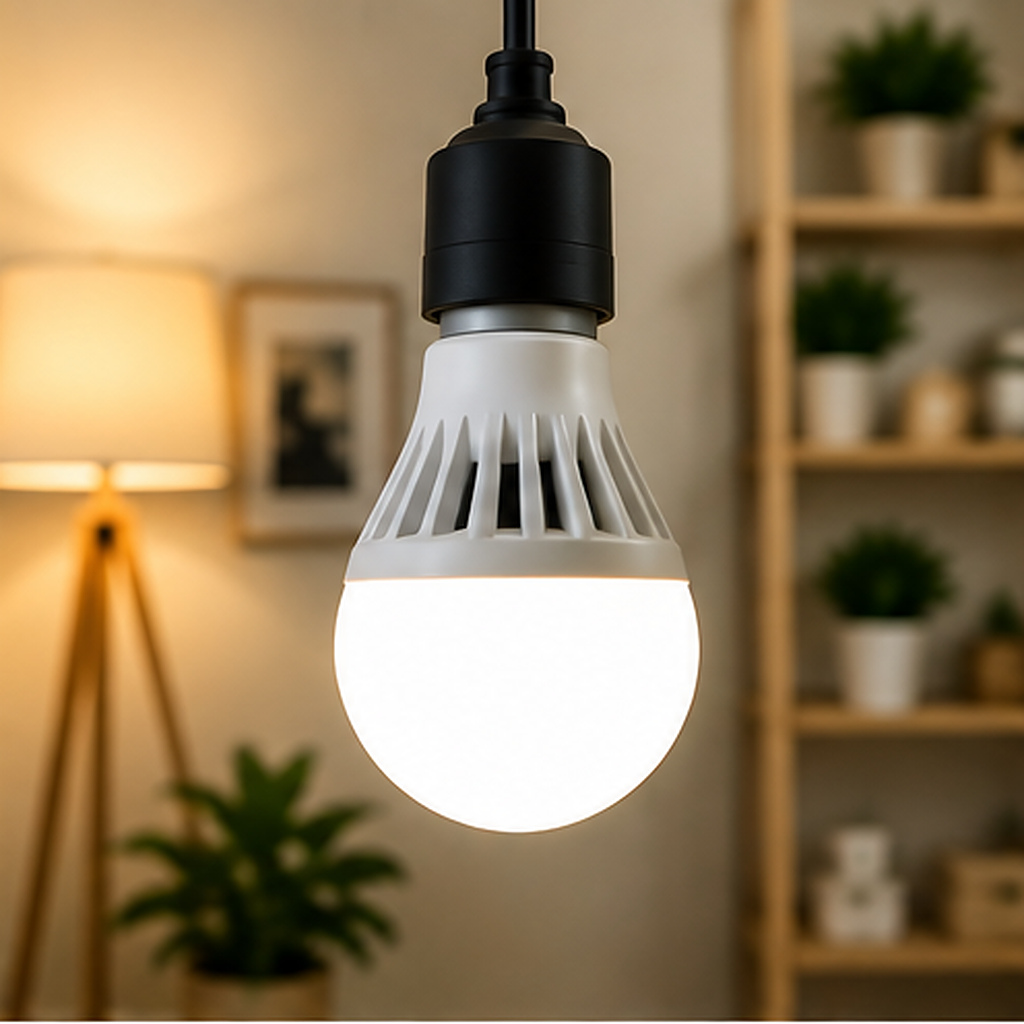
Switching from traditional incandescent bulbs to LED lighting is one of the easiest ways to save electricity at home.
ENERGY STAR certified LED bulbs use substantially less energy than traditional incandescent bulbs and can last much longer.
You don't have to replace every bulb immediately. Start with the lights you use most often, such as:
- Kitchen lighting
- Living room lamps
- Bedroom lights
- Outdoor fixtures
- Home office lighting
4. Use Natural Light During the Day
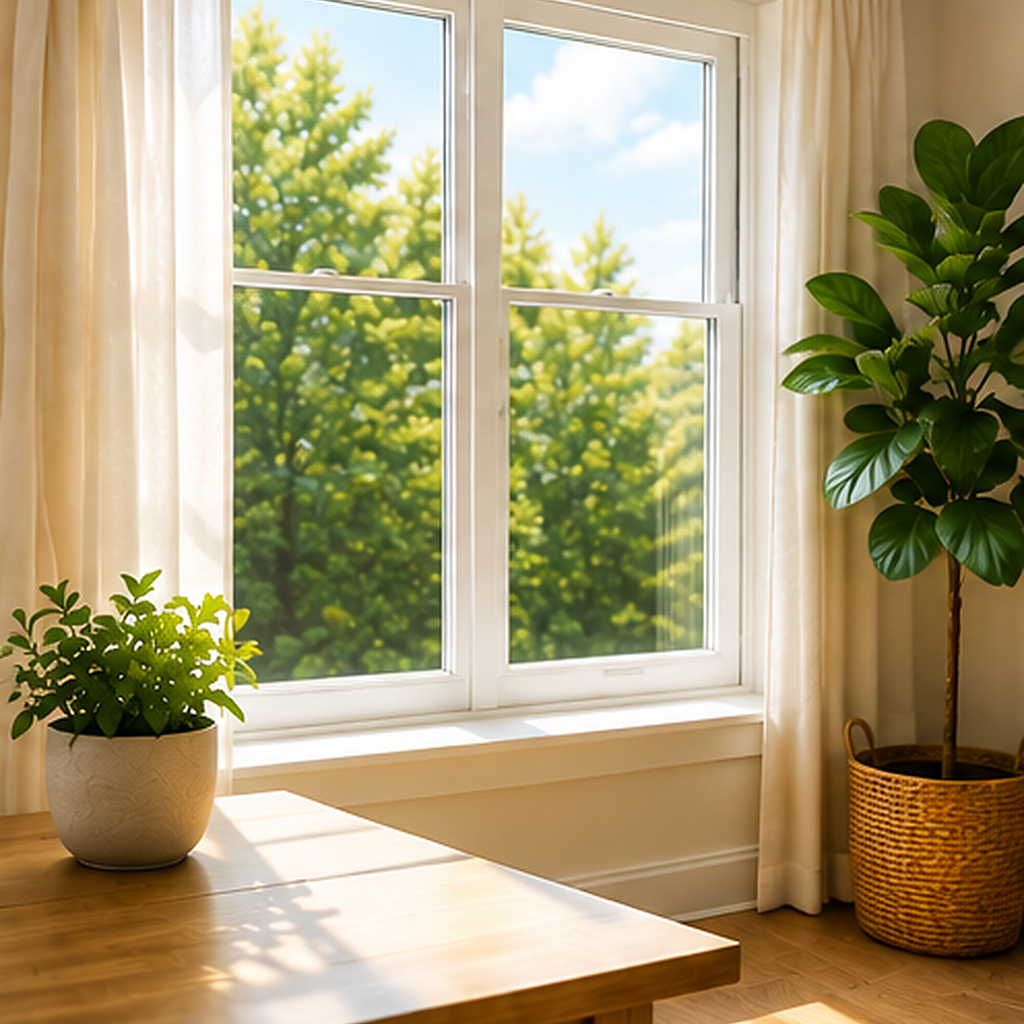
Before switching on artificial lighting, look for opportunities to use daylight.
Open curtains, blinds, or shades in rooms that receive sufficient sunlight. Natural light can brighten kitchens, bedrooms, living rooms, and home offices without using electricity.
This simple habit works particularly well when combined with light-colored surfaces and strategically placed mirrors that help distribute available daylight.
5. Turn Off Lights When You Leave a Room
It's one of the simplest energy-saving habits, but it's easy to forget.
Make a habit of switching off lights when leaving rooms that aren't being used.
- Bathrooms
- Bedrooms
- Closets
- Laundry rooms
- Storage areas
- Home offices
For frequently forgotten lights, motion sensors or smart lighting can make the process automatic.
Save Energy From Electronics
6. Unplug Electronics You Rarely Use
Some electronics can continue consuming electricity while plugged in, even when they aren't actively being used.
Look around your home for devices that remain connected unnecessarily, including:
- Chargers
- Older televisions
- Gaming equipment
- Printers
- Small kitchen appliances
- Other standby electronics
You don't need to unplug everything in your house. Focus on devices that are rarely used or that remain on standby for long periods.
7. Use Smart Power Strips
Smart power strips make it easier to control groups of electronics.
For example, you might connect your television, streaming device, speakers, and gaming equipment to one power strip. Instead of leaving everything connected indefinitely, you can switch the group off when the entertainment system isn't being used.
They can be especially useful for:
- Home entertainment centers
- Gaming setups
- Home offices
- Charging stations
8. Enable Power-Saving Modes
Many computers, televisions, monitors, and other electronic devices include built-in power-saving settings.
Check the settings on your frequently used electronics and enable features such as:
- Sleep mode
- Automatic screen-off
- Energy-saving mode
- Automatic power-down
These settings can reduce unnecessary electricity use when you're away from your device.

Kitchen Energy-Saving Tips
9. Match the Pot to the Burner
When cooking on a stovetop, choose a burner that matches the size of your pot or pan.
Using a very small pan on a large burner can waste heat around the sides. Using appropriately sized cookware helps direct more of the available heat where it is needed.
10. Keep Refrigerator Coils Clean
Your refrigerator operates continuously, so keeping it in good condition matters.
Dust and debris around accessible condenser coils can make heat removal more difficult on some refrigerator models.
Check your manufacturer's instructions before cleaning the coils because refrigerator designs vary. Also make sure there is adequate clearance around the appliance as recommended by the manufacturer.
11. Keep the Refrigerator and Freezer Properly Filled
A reasonably full refrigerator or freezer can help maintain a stable temperature because the stored contents retain cold.
However, don't overfill either compartment. Cold air still needs room to circulate.
The goal is an organized refrigerator and freezer with enough contents to maintain temperature while allowing proper airflow.
12. Avoid Opening the Oven Door While Baking
Every time you open the oven door during cooking, heat escapes.
Instead of repeatedly checking food by opening the door, use the oven window and interior light when possible.
Following the cooking time and temperature recommended by the recipe can also help avoid unnecessary heat loss.
13. Use Smaller Appliances for Small Meals
You don't always need to heat a full-size oven to prepare a small meal.
Depending on what you're cooking, a microwave, toaster oven, countertop appliance, or other appropriately sized device may use less energy than heating a large oven.
Smaller appliances can also release less heat into the kitchen, which may be helpful during hot weather when your air conditioner is running.
14. Run the Dishwasher Only When Full
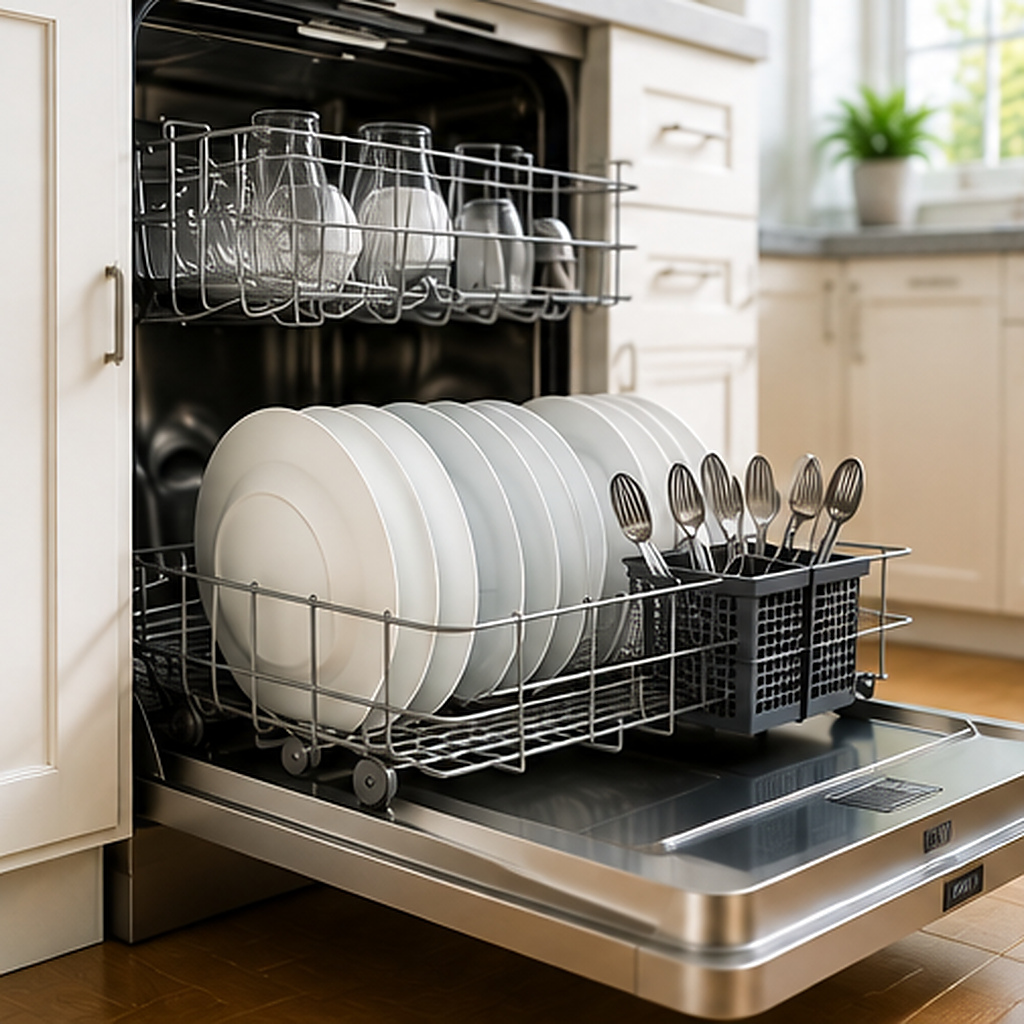
Running a dishwasher with a full load generally makes better use of the energy and water required for each cycle.
When practical:
- Wait for a full load
- Choose an efficient cycle
- Avoid unnecessary heated drying
- Use an air-dry option if your dishwasher provides one
Check your dishwasher's instructions because cycle options and energy use vary by model.
Laundry Room Energy-Saving Tips
15. Wash Clothes in Cold Water
Heating water can require substantial energy, so using cold water for suitable laundry loads can reduce energy consumption.
Cold-water washing is appropriate for many everyday clothes and can also be gentler on some fabrics.
Follow clothing-care labels and use warmer water when it is specifically needed.
16. Run Full Laundry Loads
Instead of washing several small loads, wait until you have enough clothes for a full load when practical.
Fewer, fuller loads can reduce the number of times your washer and dryer need to operate.
Just avoid overloading your machines, since clothing still needs enough space to move freely.
17. Clean the Dryer Lint Filter After Every Load
A clean lint filter helps maintain airflow through the dryer.
Make checking the lint filter part of your normal laundry routine and clean it according to your appliance instructions.
If drying times suddenly become much longer, investigate the vent and airflow as well.
18. Air-Dry Clothes When Practical
A drying rack, clothesline, or outdoor drying space uses no electricity.
You don't need to air-dry every load. Even occasionally air-drying towels, lightweight clothing, or suitable fabrics can reduce dryer use.
This can be especially practical during warm or dry weather.
Heating and Cooling Energy-Saving Tips
19. Use Curtains and Blinds Strategically
Your window coverings can help manage solar heat throughout the year.
During hot summer days, close blinds, shades, or curtains on windows receiving strong direct sunlight.
During cooler weather, open suitable curtains during sunny periods to take advantage of natural solar warmth.
At night, close window coverings to help create another layer between indoor and outdoor temperatures.
20. Use Ceiling Fans Strategically
Ceiling fans can improve comfort while allowing you to rely less heavily on air conditioning in suitable conditions.
In summer, a fan can create a cooling breeze that makes a room feel more comfortable.
Remember that fans cool people rather than the entire room, so turn them off when nobody is using the space.
21. Check and Replace HVAC Filters Regularly
A dirty or clogged HVAC filter can restrict airflow and make your heating or cooling system work harder.
ENERGY STAR recommends checking filters regularly, particularly during heavy-use seasons, and replacing them when they become dirty.
Always follow the filter and HVAC manufacturer's instructions for the correct replacement schedule.
22. Schedule Regular HVAC Maintenance
Regular professional maintenance can help keep your heating and cooling equipment operating properly.
Depending on your system, maintenance may include:
- Inspecting components
- Cleaning equipment
- Checking airflow
- Checking refrigerant systems
- Inspecting electrical connections
- Identifying developing problems
If your HVAC system is old or frequently needs repairs, compare repair costs and expected operating costs with modern replacement options.
Improve Your Home's Energy Efficiency
23. Seal Drafts Around Doors and Windows
Small gaps around doors and windows can allow conditioned air to escape.
Check for noticeable drafts around:
- Exterior doors
- Window frames
- Baseboards
- Utility openings
- Attic access areas
Weatherstripping and caulk can be inexpensive solutions for many smaller air leaks.
For larger air-sealing problems, consider a professional home energy assessment. ENERGY STAR identifies air sealing and insulation as important whole-home efficiency improvements.
24. Improve Insulation
Insulation slows the movement of heat between your home and the outdoors.
If your home feels unusually hot in summer or cold in winter, inadequate insulation may be part of the problem.
Potential areas to investigate include:
- Attics
- Exterior walls
- Floors above unconditioned spaces
- Basements
- Crawl spaces
Improving insulation can be a larger investment than changing a light bulb, but it can provide long-term benefits for comfort and energy efficiency.
25. Make Energy Efficiency Part of Your Next Home Upgrade
You don't have to replace everything in your home today.
Instead, make energy efficiency part of your future buying and renovation decisions.
When an appliance eventually needs replacement, consider an ENERGY STAR certified model where appropriate.
When renovating, consider improvements such as:
- Better insulation
- Air sealing
- Efficient windows
- High-efficiency HVAC
- Heat pump technology
- Efficient water heating
- LED lighting
- Smart home controls
- Solar energy
The best strategy is usually to improve efficiency progressively rather than trying to transform the entire house at once.
Bonus: Reduce Energy Waste From Hot Water
Hot water deserves attention even though it doesn't have its own numbered item above.
Try these simple habits:
- Take shorter showers
- Fix leaking hot-water faucets
- Use efficient showerheads
- Wash suitable clothes in cold water
- Avoid running hot water unnecessarily
- Check your water-heater settings
For many residential systems, the U.S. Department of Energy recommends a water-heater setting of 120°F, although the appropriate setting can depend on the equipment and household circumstances. Follow your manufacturer's guidance when making adjustments.
How Much Can You Actually Save by Reducing Energy Use?
The amount you can save depends on your home, climate, utility rates, appliances, HVAC system, insulation, household size, and existing energy habits.
That's why there isn't a single savings number that applies to every American household.
Instead of trying to make every change at once, start with the easiest improvements.
Start With Free Changes
- Turn off unnecessary lights
- Use natural daylight
- Adjust thermostat schedules
- Wash suitable clothes in cold water
- Run full laundry and dishwasher loads
- Use power-saving modes
- Unplug rarely used electronics
- Air-dry clothes when practical
Then Consider Low-Cost Improvements
- LED bulbs
- Weatherstripping
- Smart power strips
- Programmable thermostats
- Efficient showerheads
Finally, Consider Larger Upgrades
- Insulation
- Air sealing
- HVAC replacement
- Efficient windows
- Energy-efficient appliances
- Heat pumps
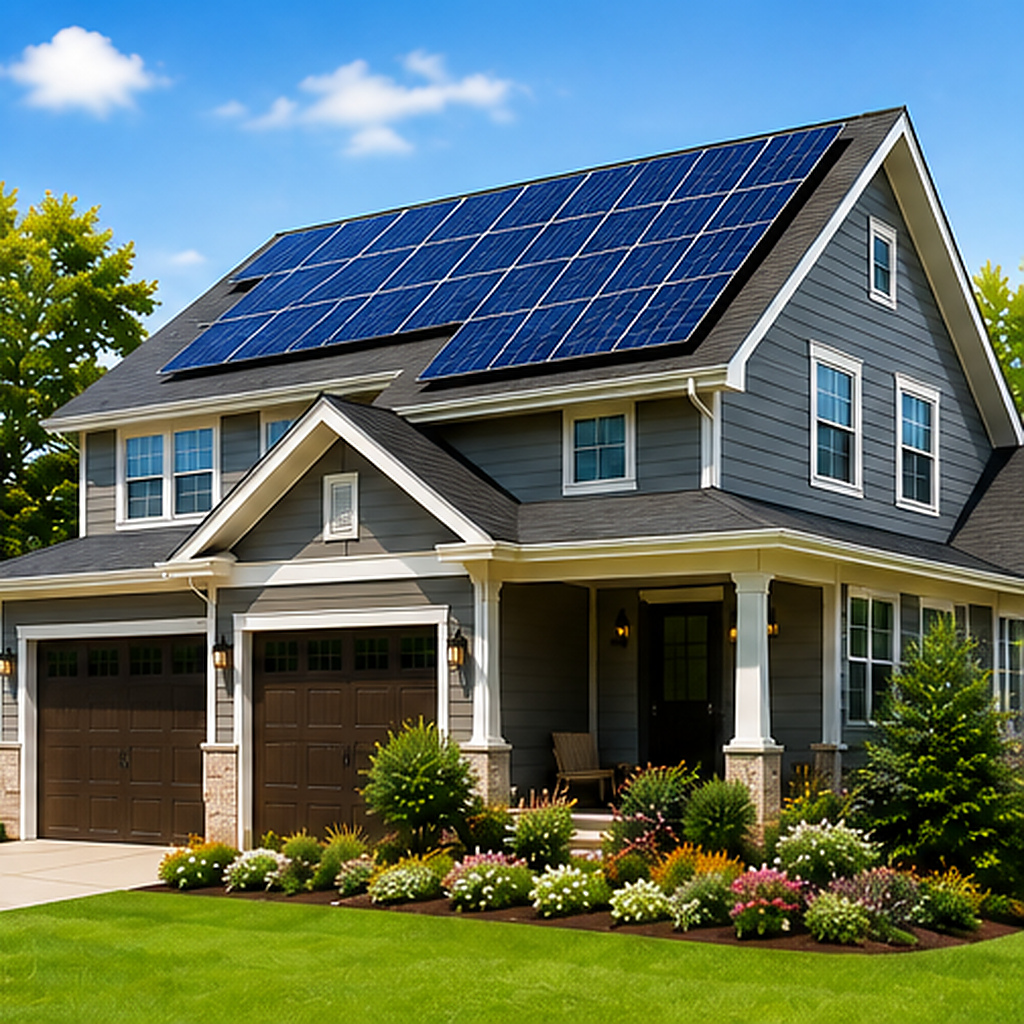
- Solar panels
This gradual approach allows you to improve your home's efficiency without making every project a major expense.
A Simple 7-Day Home Energy-Saving Challenge
Want to start today? Try this simple one-week challenge.
Day 1 — Check Your Thermostat
Review your heating and cooling schedule. Reduce unnecessary operation while you're sleeping or away.
Day 2 — Check Your Lighting
Turn off unused lights and identify the bulbs you use most often.
Day 3 — Check Your Electronics
Find electronics that remain plugged in unnecessarily. Group frequently used devices on convenient power strips.
Day 4 — Check Your HVAC
Inspect your HVAC filter and replace or clean it according to the manufacturer's instructions.
Day 5 — Check Your Windows and Doors
Look for noticeable drafts around exterior doors and windows.
Day 6 — Check Your Kitchen and Laundry Habits
Run full dishwasher and laundry loads, wash suitable clothing in cold water, clean your dryer lint filter, and avoid unnecessary oven-door opening.
Day 7 — Review Your Energy Use
Look at your latest utility bill and compare it with previous months.
Ask yourself: Where is my home using the most energy?
That question can help you decide which improvement deserves your attention next.
What Is the Best Way to Reduce Energy Use at Home?
There isn't one energy-saving solution that works equally well for every household.
A home in Florida may have very different energy priorities from a home in Minnesota. An older house may need air sealing and insulation, while a newer home might benefit more from smart controls or efficient appliances.
The best approach is to identify where your home is wasting energy and prioritize improvements accordingly.
For many households, heating and cooling are an excellent place to begin. After that, look at water heating, lighting, appliances, electronics, and air leakage.
Most importantly, don't underestimate small habits.
A single action may not dramatically change your utility bill. But dozens of small improvements repeated throughout the year can reduce unnecessary energy use and make your home more efficient.
Final Thoughts
Learning how to reduce energy use at home isn't about sacrificing comfort or turning your daily routine upside down.
It's about eliminating waste where you can.
Adjust your thermostat. Use LED lighting. Take advantage of natural daylight. Control standby electronics. Wash suitable clothes in cold water. Run full loads. Keep HVAC filters clean. Use curtains strategically. Seal drafts. Improve insulation when appropriate.
Then, when it is time to replace an appliance or upgrade your home, choose efficiency as part of the decision.
Start with five changes this week. Once they become habits, choose five more.
Over time, those small decisions can help create a home that is more comfortable, more efficient, and potentially less expensive to operate.
Frequently Asked Questions
What is the easiest way to reduce energy use at home?
Start with simple changes that cost little or nothing. Adjust your thermostat schedule, turn off unused lights, use natural daylight, wash suitable laundry in cold water, run full appliance loads, and enable power-saving modes on electronics.
What uses the most energy in a home?
Heating and cooling are among the largest sources of household energy use, although the exact amount varies by climate, home size, insulation, HVAC equipment, and household behavior.
Do LED bulbs really save energy?
Yes. LED bulbs generally use substantially less electricity than traditional incandescent bulbs and typically last much longer.
Does unplugging electronics save electricity?
Unplugging or switching off certain electronics can reduce standby electricity consumption. A smart power strip can make this easier for groups of devices.
What temperature should a water heater be set to?
A setting of around 120°F is commonly recommended for many residential water heaters, but the appropriate setting depends on your equipment and household needs. Follow the manufacturer's recommendations and seek professional advice if you're unsure.
How can I reduce energy use in summer?
Use your thermostat efficiently, close blinds or curtains during strong direct sunlight, use ceiling fans when appropriate, maintain your HVAC system, keep filters clean, and reduce unnecessary heat-producing activities.
How can I reduce energy use in winter?
Use an appropriate thermostat schedule, take advantage of sunlight during the day, close curtains at night, seal drafts, check insulation, and keep your heating system properly maintained.
Is a smart thermostat worth it?
A smart thermostat can be useful if you want automated schedules, remote temperature control, occupancy features, and energy-management tools. Its value depends on your home, HVAC system, usage patterns, and the thermostat you choose.
Should I improve energy efficiency before installing solar panels?
Improving efficiency first can be a sensible approach because a more efficient home may need less electricity overall. Efficiency improvements are worth evaluating before determining the appropriate size of a future solar system.
Can renters reduce energy use too?
Absolutely. Renters can adjust thermostat settings, use LED bulbs, manage electronics with power strips, use window coverings strategically, reduce hot-water use, wash clothes in cold water, and adopt other habits that don't require permanent changes to the property.
Energy-Saving Resources
For additional guidance on improving home energy efficiency, see:


Pingback: 20 Easy Sustainable Living Ideas for Your Home
Pingback: 20 Smart Home Devices That Are Actually Useful
Pingback: Home Energy-Saving Upgrades: 20 Practical Ideas