
Lowering your home’s energy use does not have to mean turning your daily routine upside down. The most worthwhile home energy-saving upgrades are often practical improvements that make a home more comfortable while reducing wasted heating, cooling, lighting, or hot-water energy.
If you are deciding where to spend first, focus on changes that match the way your home actually uses energy. A well-sealed house may benefit more from air sealing than from a new smart thermostat, while a home with an aging water heater may get more value from hot-water improvements. The ideas below range from inexpensive projects you can tackle quickly to larger investments worth considering when equipment reaches the end of its useful life.
20 Home Energy-Saving Upgrades Worth Considering
1. Seal Drafty Windows and Doors
Small air leaks around windows and exterior doors can make rooms feel colder in winter and warmer in summer. Weatherstripping, caulk, and properly adjusted door sweeps can reduce drafts without changing the look of a room. Start with doors and windows that you can actually feel leaking air around.
2. Add or Improve Attic Insulation
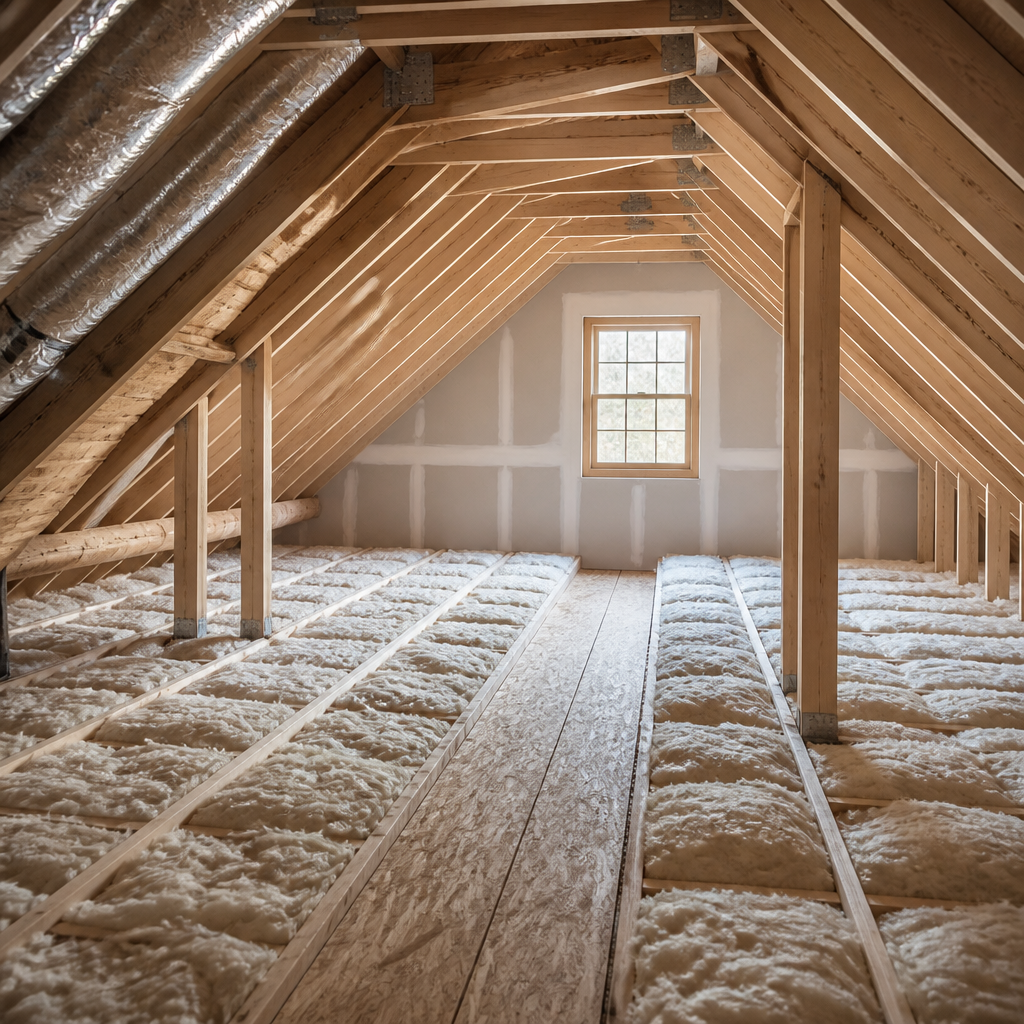
Because warm air rises, an under-insulated attic can contribute to significant heat loss during cold weather and heat gain during hot weather. Adding insulation to the recommended level for your climate can help your heating and cooling system work less. Before adding insulation, address obvious air leaks around penetrations and the attic access.
3. Air-Seal the Attic and Other Leaky Areas
Insulation works best when uncontrolled air movement is addressed first. Gaps around plumbing penetrations, recessed lights, wiring, ducts, and attic hatches can allow conditioned air to escape. A professional energy audit or blower-door test can help identify the leaks that are easiest to miss.
4. Install a Smart Thermostat
A smart thermostat can make temperature schedules easier to manage and can reduce unnecessary heating or cooling when the home is empty. The biggest benefit comes from using schedules thoughtfully rather than constantly adjusting the temperature by hand. Check compatibility with your HVAC system before purchasing.
5. Upgrade to LED Lighting

LED bulbs use considerably less electricity than traditional incandescent bulbs and generally last much longer. Replace the lights that run the most, such as kitchen, hallway, porch, and living-room fixtures, first. Choose the color temperature and brightness that suit the room so efficiency does not come at the expense of comfort.
Shop This Idea
Linkind A19 Dimmable LED Light Bulbs — 24 Pack
These 9W A19 LED bulbs provide 800 lumens each—the familiar brightness of a 60W-equivalent bulb—with a warm 2700K soft-white light. The E26 base and dimmable design make this bulk pack practical for replacing frequently used household bulbs.
View on Amazon → (paid link)
6. Choose ENERGY STAR Appliances When Replacing Old Ones
Replacing every appliance simply for efficiency is not always the most economical choice. A better strategy is to prioritize replacements when an older refrigerator, dishwasher, clothes washer, or other major appliance is already nearing the end of its useful life. Compare the annual energy-use information on the labels rather than judging efficiency by the purchase price alone.
7. Upgrade to a Heat Pump for Heating and Cooling
For homeowners considering a new HVAC system, a modern heat pump can provide both heating and cooling while using electricity efficiently. Today’s cold-climate models can also be suitable in areas with colder winters. Proper sizing, installation, ductwork, and climate suitability matter as much as the equipment’s headline efficiency rating.
8. Consider a Heat Pump Water Heater
Water heating is a significant household energy expense, and heat pump water heaters can use electricity more efficiently than conventional electric resistance models. They do require appropriate space, airflow, and installation planning. If your existing water heater is approaching replacement age, compare operating costs and available rebates before deciding.
9. Insulate Accessible Hot-Water Pipes

Insulating exposed hot-water pipes can reduce heat loss between the water heater and the tap. It can be particularly useful for longer pipe runs and areas such as basements, garages, or utility rooms. Use pipe insulation designed for the application and keep materials clear of flues and other heat sources.
10. Install Low-Flow Showerheads and Faucet Aerators
Using less hot water can save energy as well as water. Efficient showerheads and faucet aerators maintain useful water pressure while reducing flow. This is a relatively inexpensive upgrade that can make a noticeable difference in homes where hot-water use is high.
Shop This Idea
Heatsistence High-Pressure Shower Head — 1.8 GPM
A 1.8 GPM fixed showerhead designed to provide a strong spray while using less water than higher-flow models. Its universal fit and anti-clog silicone nozzles make it a practical bathroom efficiency upgrade.
View on Amazon → (paid link)
11. Improve HVAC Duct Sealing and Insulation
Leaky or poorly insulated ducts can waste conditioned air before it reaches living spaces, especially when ducts run through attics, crawl spaces, or garages. Have a qualified professional inspect accessible ductwork, seal appropriate joints, and improve insulation where needed. Avoid sealing components that are designed to remain serviceable or ventilated.
12. Use Ceiling Fans More Strategically
Ceiling fans do not cool the air in a room, but they can make people feel more comfortable by moving air across the skin. In warm weather, use them when people are present and turn them off when rooms are empty. Many fans can also be reversed for winter operation, although the benefit depends on the room and ceiling height.
13. Install Exterior Shades or Solar-Blocking Window Treatments

Controlling direct sunlight can reduce unwanted heat gain during hot months. Exterior shading, awnings, shutters, and appropriately selected interior shades can be especially useful on windows that receive strong afternoon sun. Keep the design practical so natural daylight is still available when you want it.
14. Upgrade Refrigerator and Freezer Maintenance
An energy-saving upgrade does not always require buying something new. Cleaning condenser coils where the manufacturer allows it, checking door seals, maintaining appropriate temperatures, and keeping airflow clear can help an older refrigerator or freezer operate properly. Replace equipment when repair and operating costs no longer make sense.
15. Add a Heat-Pump Clothes Dryer
If you are replacing a clothes dryer, a heat-pump model can be worth considering because it reuses heat rather than venting hot air outdoors in the same way as a conventional electric dryer. Drying times and purchase prices can differ, so compare the appliance’s energy use, capacity, maintenance needs, and expected lifespan.
16. Install Whole-Home or Circuit-Level Energy Monitoring
Energy monitoring can reveal where electricity is actually being used instead of relying on assumptions. A compatible home energy monitor may help you spot high-use appliances, unusual overnight consumption, or seasonal patterns. The information is most valuable when it leads to a practical change in behavior or equipment.
Shop This Idea
Fusion Energy Smart Home Energy Monitor — 16 Circuit Sensors
A whole-home electricity monitor with 16 circuit-level 50A sensors for tracking real-time power use and electricity costs. It can help identify high-use circuits and usage patterns, with app history and Home Assistant compatibility. Because installation involves the electrical panel, use a qualified electrician if you are not experienced with this type of electrical work.
View on Amazon → (paid link)
17. Reduce Standby Power
Entertainment systems, computers, chargers, and other electronics can draw small amounts of electricity while they are not actively being used. Smart power strips or simple power-down routines can reduce this standby consumption. Concentrate on groups of devices that remain connected for long periods rather than unplugging everything in the house.
Shop This Idea
Tapo P110M Smart Plug — 4 Pack with Energy Monitoring
Monitor the energy use of connected devices and create schedules or automatic shutoff routines to help manage standby power. This Matter-compatible 4-pack works with Alexa, Google Home and Samsung SmartThings.
View on Amazon → (paid link)
18. Improve Window Performance When Replacement Is Due
Window replacement can be a substantial investment, so it is usually worth considering when existing windows are damaged, failing, or due for replacement rather than treating it as the first energy upgrade. When the time comes, compare the window’s energy-performance ratings for your climate and orientation, and consider professional installation.
19. Add Solar Panels Where They Make Financial Sense
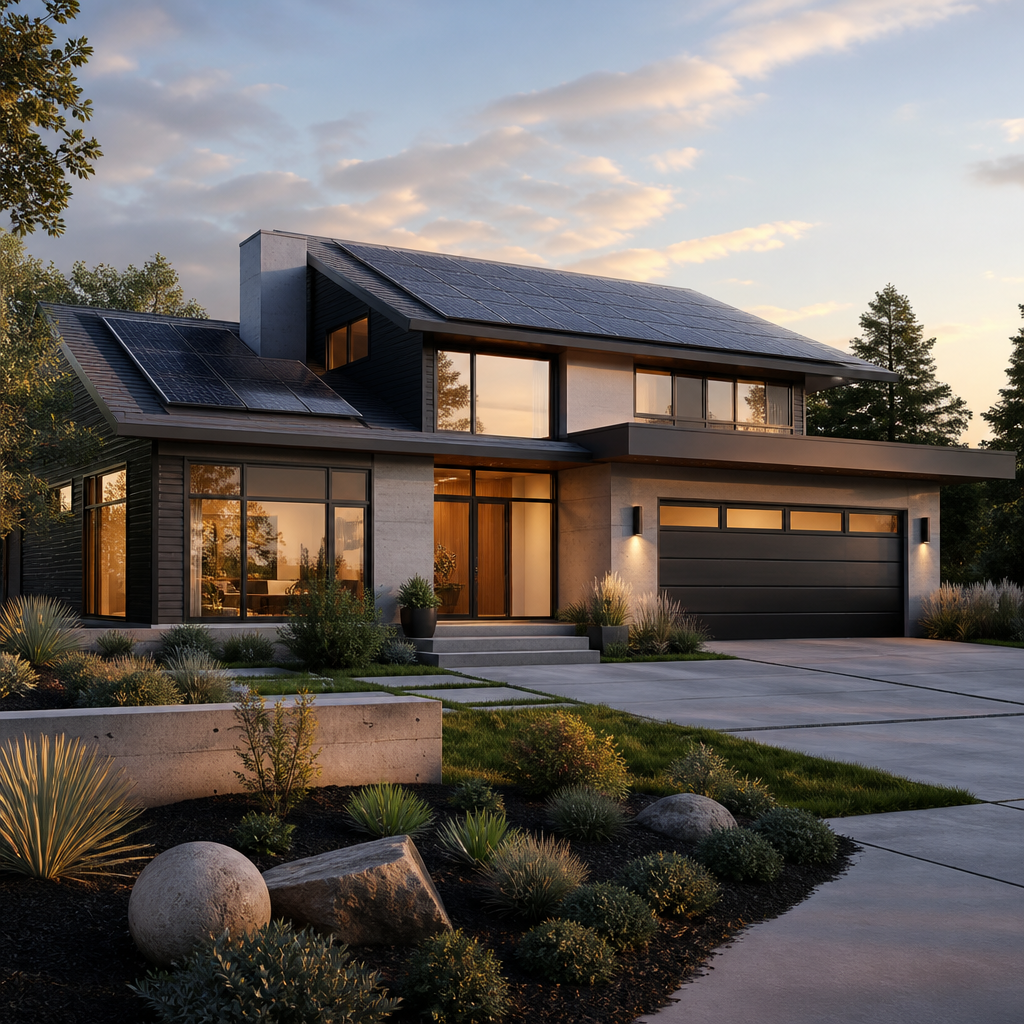
Solar panels can reduce electricity purchased from the grid and may be attractive for homeowners with suitable roof space, good solar exposure, and a long enough ownership horizon. The economics depend on local electricity rates, incentives, financing, roof condition, shading, and utility rules. Evaluate the full project rather than assuming every roof produces the same savings.
20. Consider a Home Energy Audit
If you are unsure where to begin, an energy audit can be one of the most useful investments. A good assessment looks at insulation, air leakage, HVAC performance, ductwork, windows, appliances, and other energy-use patterns. The resulting recommendations can help you prioritize upgrades by expected impact instead of spending first on the most visible product.
How to Prioritize Home Energy-Saving Upgrades
Start with the basics: reduce uncontrolled air leakage, make sure insulation is adequate, and keep heating and cooling equipment operating efficiently. Next, look at the systems that consume the most energy in your particular home. When major equipment needs replacement, choose an efficient model that fits your climate and household.
It is also worth considering comfort and maintenance, not just energy savings. An upgrade that reduces drafts, evens out room temperatures, or improves hot-water reliability can deliver value even when the simple payback period is not the shortest. Local utility rebates and tax incentives may also change the calculation, so check current programs before committing to a purchase.
Which Energy-Saving Upgrades Should You Do First?
| Upgrade | Best time to consider it | Typical priority |
|---|---|---|
| Air sealing | You notice drafts or uneven temperatures | High |
| Attic insulation | Insulation is thin, uneven, or missing | High |
| LED lighting | Frequently used bulbs need replacement | Easy win |
| Smart thermostat | Your HVAC system is compatible | Moderate |
| Heat pump | Heating or cooling equipment is due for replacement | Major upgrade |
| Heat pump water heater | Existing water heater is nearing replacement | Major upgrade |
| Solar panels | Roof, sunlight, utility rules, and finances align | Long-term |
The right order depends on your house, climate, utility rates, and existing equipment. Treat this table as a starting framework, then use an energy audit and current local incentives to refine your plan.
Quick Energy-Saving Upgrade Checklist
- Check windows and exterior doors for noticeable drafts.
- Inspect attic insulation and look for obvious air leaks.
- Replace frequently used incandescent bulbs with LEDs.
- Review thermostat schedules and HVAC filter maintenance.
- Check hot-water pipes and accessible ductwork for insulation or leakage issues.
- Compare efficient replacement appliances when an existing appliance is nearing the end of its life.
- Review local utility rebates before purchasing major equipment.
- Consider an energy audit if you are unsure which improvement should come first.
Frequently Asked Questions
What is the best first energy-saving upgrade for a home?
For many homes, addressing air leaks and inadequate insulation is a sensible starting point because it can improve comfort and reduce the workload on heating and cooling equipment. An energy audit can help confirm priorities.
Are energy-efficient upgrades worth the cost?
They can be, particularly when an upgrade replaces aging equipment that you would need to replace anyway. Look at purchase price, expected energy use, maintenance, available incentives, and how long you expect to remain in the home rather than relying on a single payback number.
Should I replace my windows to save energy?
Not necessarily. Window replacement can be worthwhile when existing windows are damaged or failing, but lower-cost improvements such as air sealing, weatherstripping, and appropriate shading may be better first steps for otherwise serviceable windows.
How can I find out where my home is wasting energy?
A professional home energy audit can identify common sources of waste, including air leakage, insulation gaps, duct problems, and inefficient equipment. Energy monitoring can also help reveal which electrical loads are consuming the most power.
Home Energy-Saving Upgrades: The Bottom Line
The best energy-saving upgrades are not necessarily the most expensive ones. Sealing leaks, improving insulation, upgrading lighting, managing temperatures, and reducing hot-water waste can all be sensible starting points. Larger investments such as heat pumps, efficient water heaters, solar panels, or new windows make more sense when they align with the condition of your existing home and your long-term plans.
Think of energy efficiency as a sequence rather than a shopping list. Find where your home wastes energy, fix the fundamentals, and then replace aging equipment with efficient alternatives when the time is right. That approach can make your home more comfortable while helping you use less energy over the years.
More Home Energy Guides From The Aura Living Space
- 25 simple ways to reduce energy use at home
- Easy sustainable living ideas for your home
- Smart home ideas that make everyday life easier

